Zurich, Switzerland and Antwerp, Belgium: A Comparative Analysis from an Economic Welfare Theory Perspective
Category : |
Sub Category : Posted on 2024-11-05 22:25:23
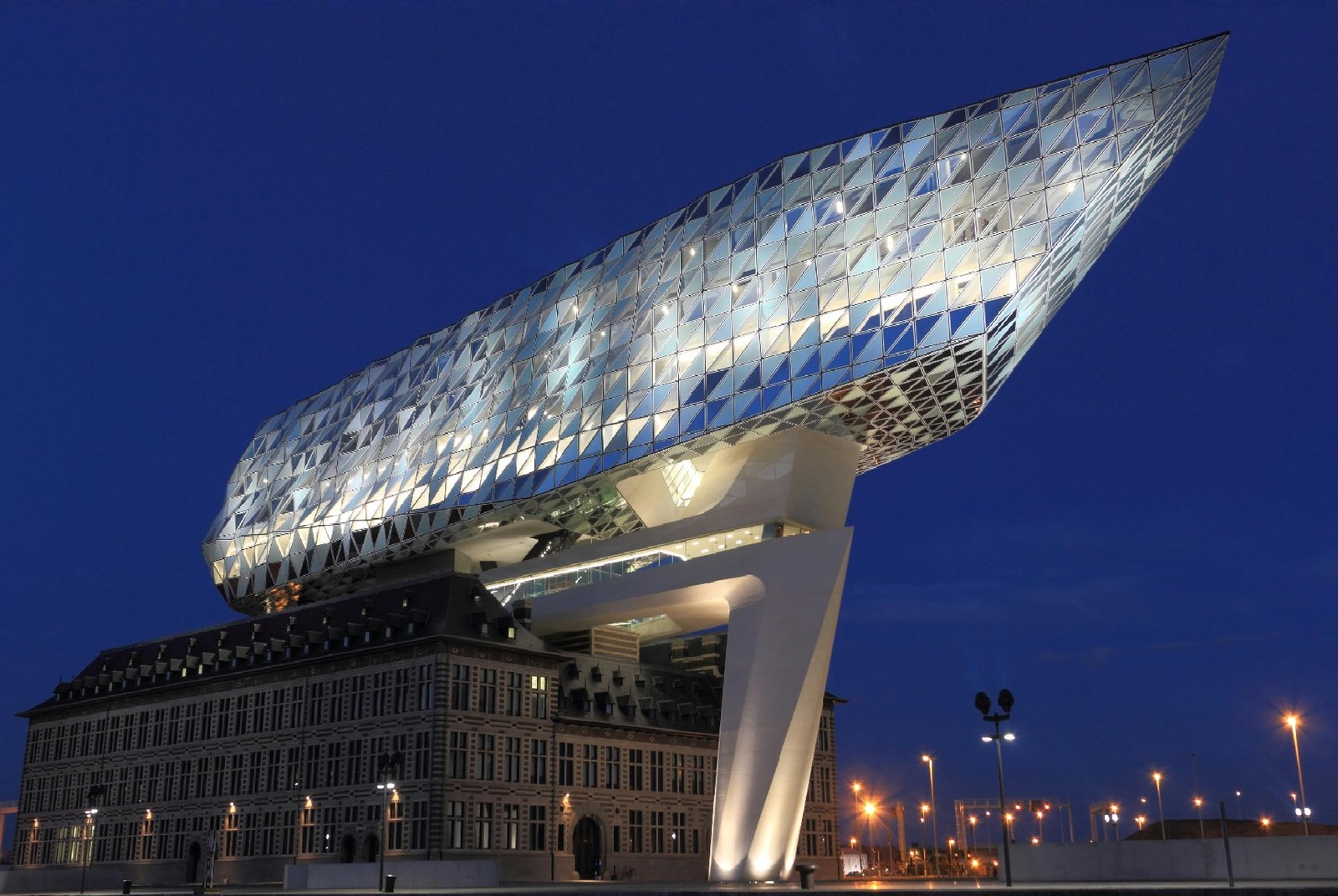
When it comes to examining the economic prosperity of cities, various factors come into play. Two cities that often pop up in discussions about wealth, economic growth, and overall well-being are Zurich, Switzerland, and Antwerp, Belgium. These cities are known for their economic prowess, high standards of living, and strong business environments. In this blog post, we will conduct a comparative analysis of Zurich and Antwerp from the perspective of economic welfare theory. Zurich, Switzerland, is widely recognized as one of the wealthiest and most economically successful cities in the world. It serves as a major global financial hub and is home to numerous multinational corporations and financial institutions. The city boasts a high GDP per capita, low unemployment rates, and a strong focus on innovation and entrepreneurship. Zurich's economy is characterized by sectors such as finance, technology, healthcare, and tourism, which contribute significantly to its overall economic output. On the other hand, Antwerp, Belgium, is a key economic hub in Europe, known for its thriving port and diamond industry. The city's economy is diverse, with sectors such as logistics, petrochemicals, and manufacturing playing a crucial role. Antwerp's strategic location and well-developed infrastructure have helped it attract foreign investment and establish itself as a major player in global trade. The city's focus on sustainability and green initiatives has also contributed to its reputation as a forward-thinking and economically resilient city. From an economic welfare theory perspective, both Zurich and Antwerp demonstrate key principles that contribute to their economic success. These include efficient resource allocation, competitive markets, investment in human capital, and infrastructure development. Both cities prioritize education, innovation, and sustainability, which are essential for long-term economic growth and prosperity. Moreover, factors such as political stability, rule of law, regulatory environment, and quality of life also play a significant role in shaping the economic welfare of Zurich and Antwerp. These cities offer a high standard of living, access to quality healthcare and education, as well as a safe and clean environment, which attract talent, businesses, and investment. In conclusion, Zurich, Switzerland, and Antwerp, Belgium, epitomize the principles of economic welfare theory through their strong economic fundamentals, focus on innovation and sustainability, and quality of life offerings. While each city has its unique strengths and challenges, both serve as shining examples of successful economic models that prioritize the well-being and prosperity of their residents. By understanding and applying the principles of economic welfare theory, cities around the world can learn valuable lessons from Zurich and Antwerp on how to achieve sustainable economic growth and build resilient economies.


