Exploring the Intersection of Blockchain Games and Antwerp, Belgium Architecture
Category : |
Sub Category : Posted on 2024-11-05 22:25:23
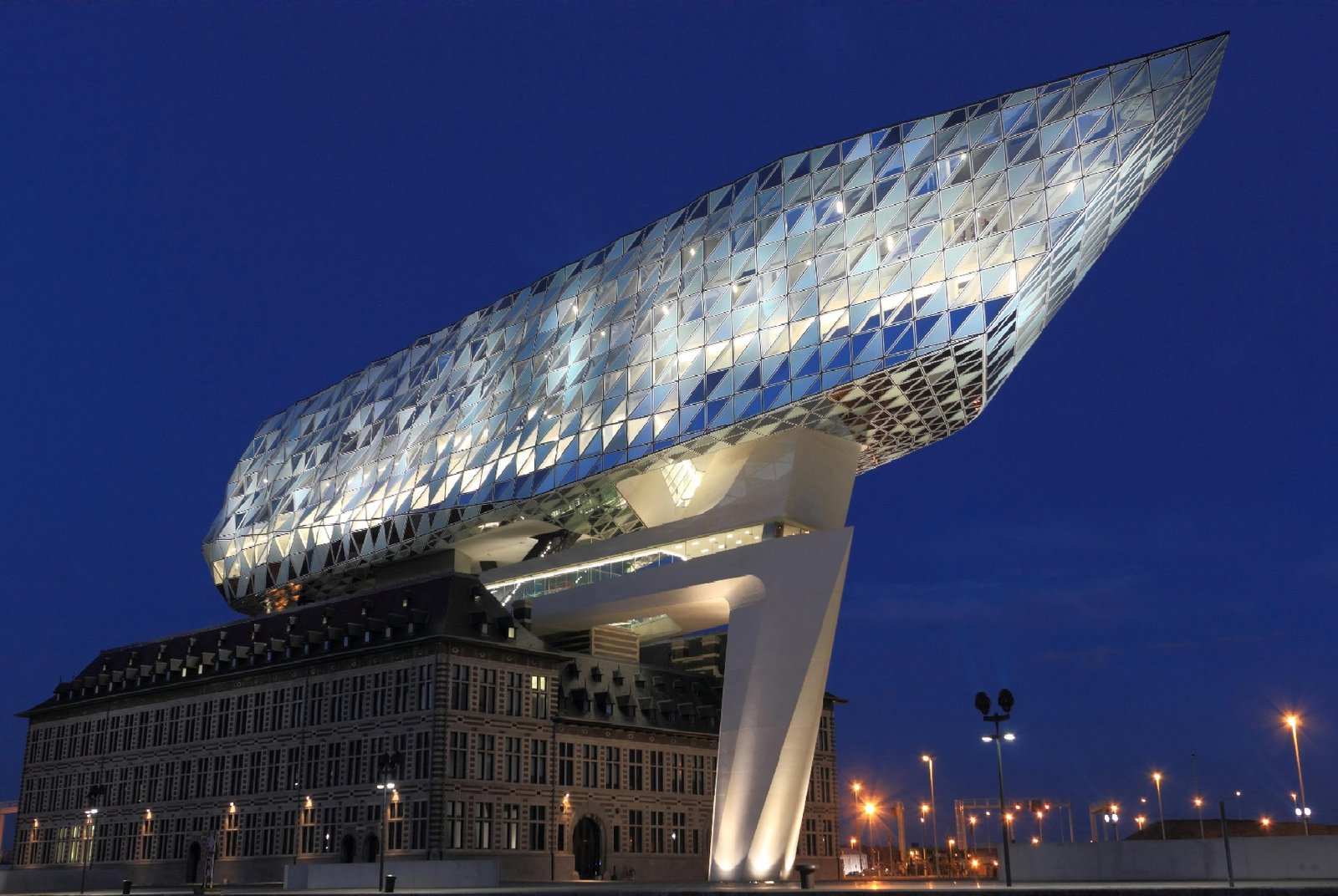
In recent years, the world has witnessed the rise of Blockchain technology, revolutionizing various industries including gaming. Blockchain games, built on decentralized platforms using cryptocurrencies, have captured the attention of gamers and tech enthusiasts alike. At the same time, the city of Antwerp in Belgium boasts a rich architectural history, with its stunning blend of medieval, Renaissance, and modern structures. In this blog post, we will delve into the fascinating intersection between blockchain games and the architecture of Antwerp, Belgium. Antwerp's architecture serves as a backdrop to its vibrant cultural scene, making it a fitting setting for exploring innovative technologies like blockchain games. The city is home to iconic landmarks such as the Cathedral of Our Lady, a gothic masterpiece that took centuries to complete. Its intricate spires and majestic interiors are a testament to the skill and artistry of the architects and craftsmen of the past. Similarly, blockchain games represent a marriage of creativity and technology, offering players new ways to engage with virtual worlds and economies. These games leverage blockchain technology to provide transparency, security, and ownership of in-game assets. Players can buy, sell, and trade virtual items with real-world value, creating a dynamic and immersive gaming experience. One interesting aspect of blockchain games is their potential to incorporate real-world locations and landmarks into their virtual environments. Imagine exploring a digital version of Antwerp, complete with its historic buildings, bustling markets, and scenic waterfront. Players could interact with these virtual replicas, uncovering hidden treasures or solving puzzles inspired by the city's rich history. Moreover, blockchain technology enables decentralized ownership and governance, giving players more control over their gaming experiences. In a blockchain game set in Antwerp, players could collectively decide on the development of in-game structures or landmarks, preserving the city's architectural heritage in a virtual space. As the worlds of blockchain games and Antwerp's architecture converge, new opportunities emerge for creativity, collaboration, and cultural preservation. By blending cutting-edge technology with centuries-old design principles, we can create immersive experiences that celebrate the past while embracing the future. In conclusion, the intersection of blockchain games and Antwerp, Belgium architecture offers a fascinating glimpse into the possibilities of merging tradition with innovation. By leveraging the unique features of blockchain technology and the timeless beauty of Antwerp's architecture, we can create immersive and engaging experiences that captivate players and enthusiasts alike. Let us continue to explore this dynamic fusion of art, culture, and technology, shaping the future of gaming and virtual environments.


