Exploring the Diverse Connections Between Antwerp, Lisbon, and Congo
Category : |
Sub Category : Posted on 2024-11-05 22:25:23
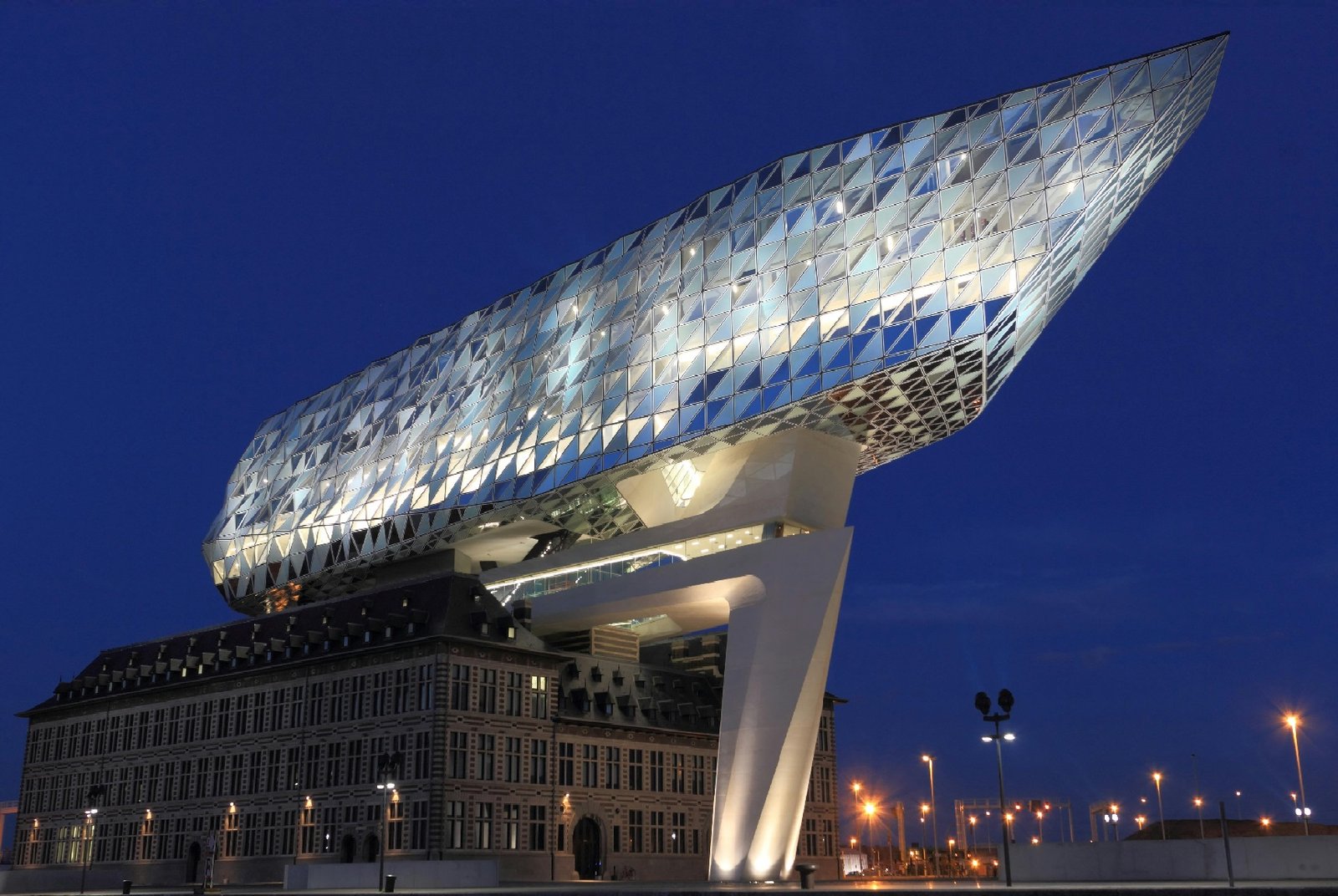
The historical and cultural connections between the cities of Antwerp in Belgium, Lisbon in Portugal, and Congo in Africa run deep and continue to influence each other in many ways. Let's delve into the unique ties that bind these diverse locations. Antwerp, known as Belgium's vibrant port city, has a rich history of trade and commerce. Historically, Antwerp served as a significant hub for the diamond trade, attracting merchants and traders from all over the world. The city's strategic location on the Scheldt River made it a crucial center for international trade, connecting Europe to distant lands, including Africa. Lisbon, the capital city of Portugal, also boasts a long maritime history. As one of Europe's oldest cities, Lisbon played a pivotal role in the Age of Exploration, when Portuguese explorers embarked on daring voyages to discover new lands and establish trade routes. The city's seafaring past has left an indelible mark on its culture and architecture, blending influences from Europe, Africa, and the Americas. Congo, located in central Africa, has its own complex history intertwined with European colonization and trade. During the infamous period of the Belgian Congo, the region was subject to exploitation and abuse under King Leopold II's rule. The impact of colonization is still felt today in the Democratic Republic of Congo, as the country continues to grapple with its past and strive for a more prosperous future. The connections between Antwerp, Lisbon, and Congo are multifaceted and enduring. The historical trade routes that linked these regions facilitated the exchange of goods, ideas, and people across continents. Today, the cultural influences can be seen in the diverse culinary traditions, architectural styles, and artistic expressions found in each city. In conclusion, the ties between Antwerp, Lisbon, and Congo serve as a reminder of the interconnected nature of our world. By understanding and appreciating the shared history and heritage of these diverse locations, we can foster greater cross-cultural dialogue and collaboration. Whether through trade, exploration, or colonial legacies, the connections between these cities continue to shape their identities and create opportunities for mutual understanding and growth.


