Algeria, Chinese Language, and Antwerp, Belgium: A Unique Intersection of Cultures
Category : |
Sub Category : Posted on 2024-11-05 22:25:23
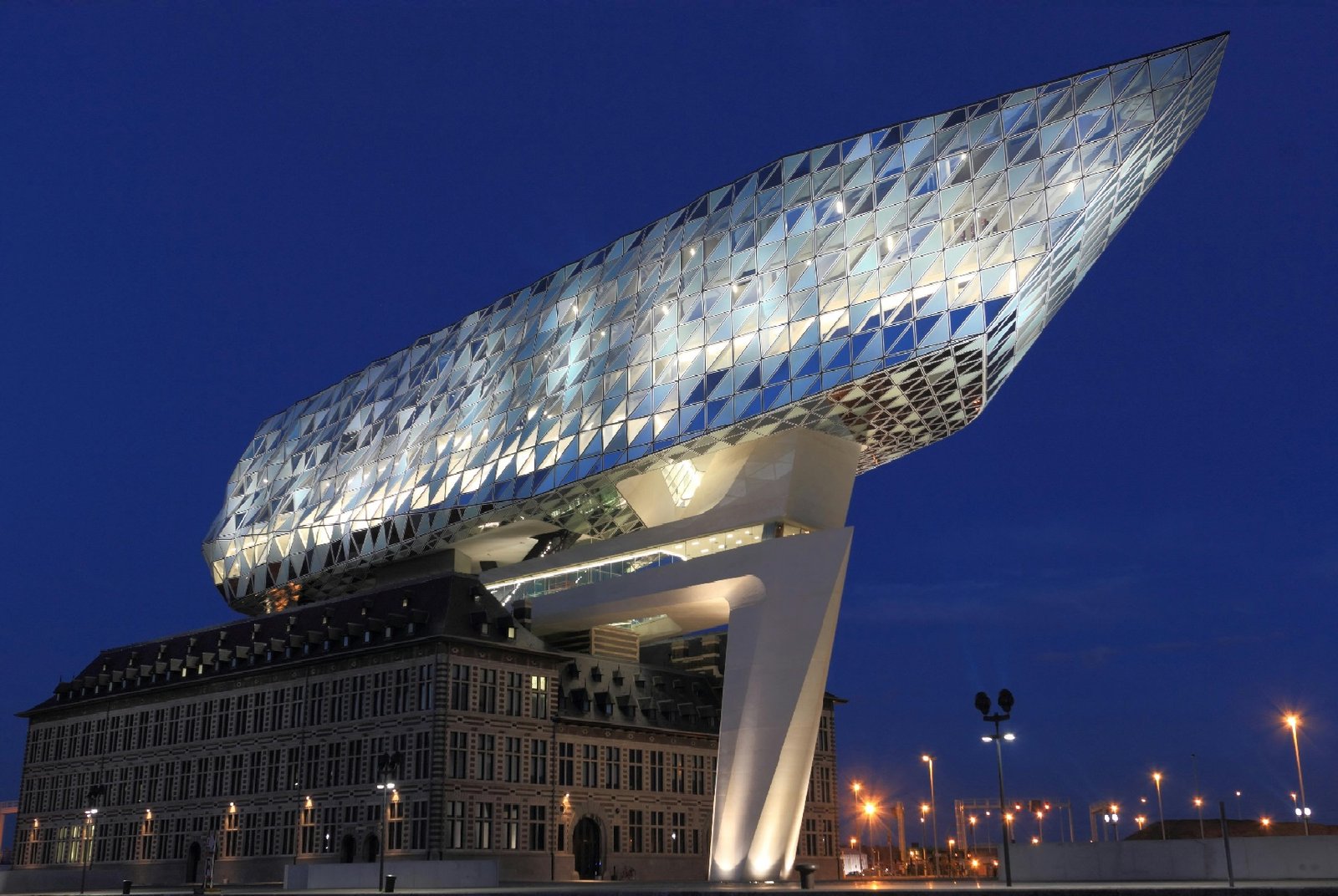
Algeria, a vibrant North African country rich in history and culture, may not seem to have an obvious connection to the Chinese language and the city of Antwerp in Belgium. However, the intersection of these three elements provides a fascinating insight into the interconnectedness of our globalized world. Algeria, located in the Maghreb region of North Africa, is known for its diversity, with influences from Arab, Berber, and French cultures blending together to create a unique and colorful tapestry. While Arabic is the official language of Algeria, French is widely spoken due to the country's colonial history. In recent years, there has been a growing interest in learning Chinese among Algerian students and professionals, as China's economic influence continues to expand globally. The Chinese language, with its intricate characters and tonal pronunciation, is both challenging and rewarding to learn. Many Algerians are seizing the opportunity to study Chinese, recognizing the importance of being proficient in the language of one of the world's major economic players. This interest in Chinese language and culture reflects Algeria's openness to engaging with the world beyond its borders and embracing new opportunities for collaboration and exchange. Antwerp, a bustling city in Belgium known for its diamond trade and rich cultural heritage, might seem like an unlikely link in this chain of connections. However, Antwerp's status as a major port city and economic hub has made it a melting pot of cultures and languages. The city's thriving Chinese community, with its own language schools and cultural centers, serves as a bridge between Belgium and China, facilitating trade and cultural exchange between the two countries. The confluence of Algeria, the Chinese language, and Antwerp, Belgium, highlights the interconnected nature of our modern world. In an era of globalization and digital connectivity, the barriers between countries and cultures are becoming increasingly porous. People from diverse backgrounds are coming together to share knowledge, exchange ideas, and build bridges that transcend linguistic and geographical boundaries. Whether it's an Algerian student learning Chinese in pursuit of new opportunities, a Chinese business owner thriving in Antwerp's vibrant community, or a Belgian traveler immersing themselves in the rich culture of Algeria, these interactions remind us of the beauty and complexity of our globalized world. As we navigate the challenges and opportunities of the 21st century, it is crucial to embrace diversity, cultivate understanding, and celebrate the rich tapestry of cultures that make our world so rich and fascinating.


